
Session 4
Data is the backbone of effective community health programs, yet many organizations face challenges with poor data quality, difficulty reporting to funders, and ensuring cultural relevance in their evaluation efforts. This workshop introduces participants to practical strategies for improving data collection, leveraging both quantitative and qualitative proxy data, and reporting findings in ways that strengthen trust and accountability. Participants will explore real-world examples, including community-based evaluation models, and gain hands-on experience with small-scale activities designed to build their confidence. Through a mix of lecture, interactive exercises, and Q&A, attendees will learn how to integrate data expectations across their teams, strengthen their evaluation processes, and ensure that community voices are represented in their data stories.
Learning Objectives
By the end of this session, participants will be able to:
- Identify common challenges in data collection and reporting for community health programs.
- Differentiate between quantitative and qualitative data and describe when each is most appropriate.
- Apply strategies for using qualitative proxy data when quantitative data is unavailable.
- Recognize the importance of culturally competent evaluation and inclusive data reporting.
- Describe how data expectations can be integrated into staff workflows and program design.
- Demonstrate at least one hands-on activity for improving survey or reporting practices.
- Analyze a real-world case study (e.g., DIRE Framework) to understand best practices in data equity.
Panelists
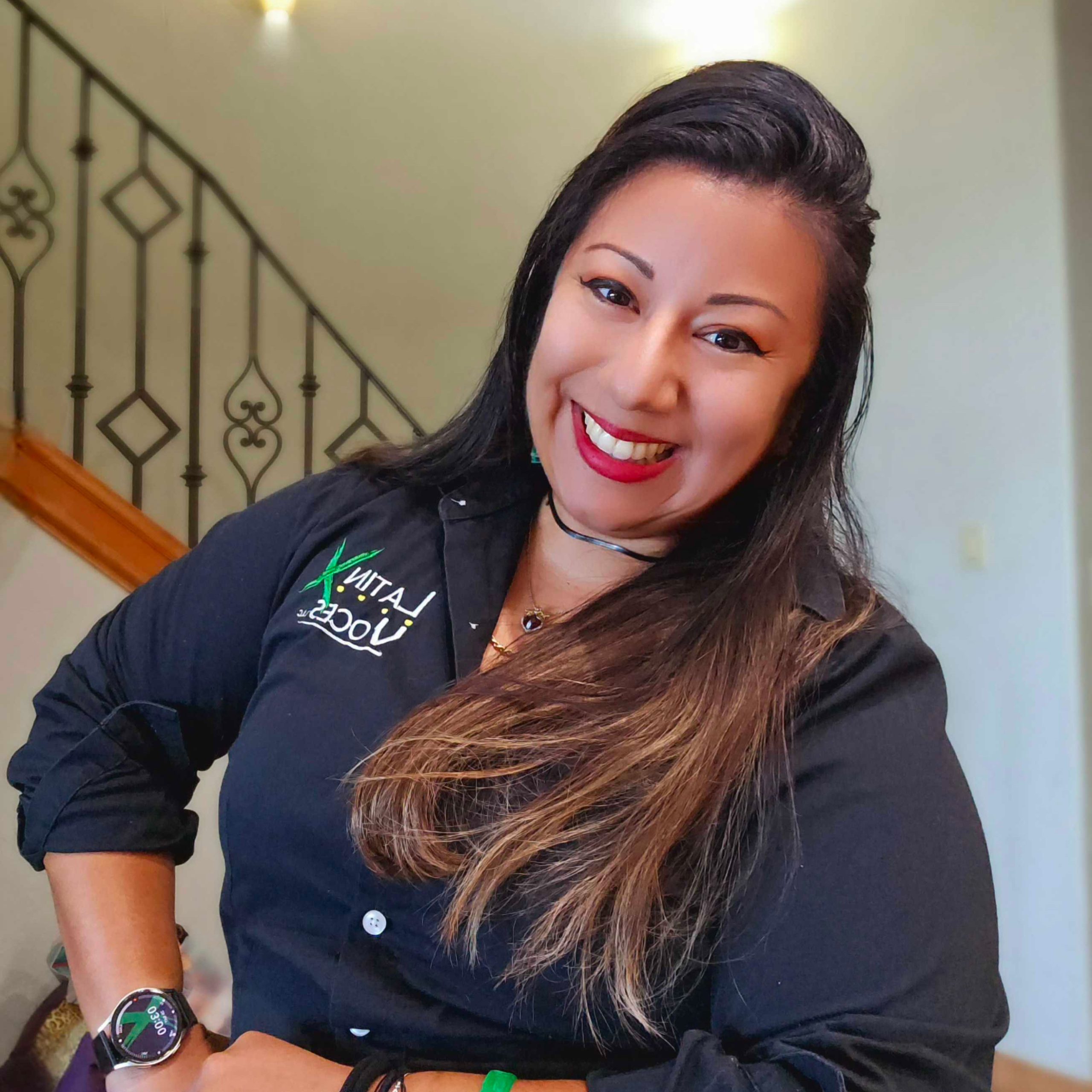
Paulina Sosa
DrPH, MPH
President/Executive Director
Latinx Voces
Dr. Paulina Sosa-Quintanilla is the Founder, President and Executive Director of Latinx Voces, a national nonprofit with the goal to amplify all Latino voices and achieve equity in health and cultural representation. Paulina has worked for more than 15 years in public health, including policy, advocacy, data analytics and community outreach. Her work has revolved around infectious disease transmission and epidemic/pandemic preparedness, including influenza and COVID-19. Paulina has also completed her doctorate in the DrPH Public Health Informatics program at Johns Hopkins University Bloomberg School of Public Health, with a research focus on data informatics, dashboard development, and health equity.
Paulina has worked at the World Health Organization (WHO) and the Pan American Health Organization (PAHO) as the Lead Data Analyst in the Influenza team. She has worked with the American Journal of Public Health (AJPH), the American Public Health Association (APHA) COVID-19 Response Team, and the Access Smithsonian’s See Me program. Additionally, during the COVID-19 pandemic, Paulina provided consulting services for PAHO and other key partners in data, surveillance, and health communications.

Rubén Cantú
Founder/CEO,
Frontera Leadership Institute(Elements)
Executive Director,
Inclusive Innovation and Entrepreneurship
UT Austin
Rubén Cantú is a heart-centered social entrepreneur, educator, and AI leader who fosters
peace through understanding and love. He believes that compassionate leadership is essential
in the fast-moving world of AI. He empowers underserved communities and has been
recognized with honors like the Presidential Volunteer Community Service Award from the Biden
Administration (2024).
Resources
- Cameron County Public Health. Healthy Aging and Community Resources. Available at: https://www.cameroncounty.us/publichealth
- Compassion & Choices. End-of-Life Planning Resources. Available at: https://compassionandchoices.org
- Centers for Disease Control and Prevention (CDC). Healthy Brain Initiative Road Map. Available at: https://www.cdc.gov/aging/healthybrain
- World Health Organization (WHO). (2021). Global status report on the public health response to dementia. Available at: https://www.who.int/publications/i/item/9789240033249
- National Institute on Aging (NIA). Alzheimer’s and Related Dementias Resources. Available at: https://www.nia.nih.gov/health/alzheimers
- Alzheimer’s Association. 2024 Alzheimer’s Disease Facts and Figures. Alzheimer’s & Dementia, 20(3), 611–773. https://doi.org/10.1002/alz.13711
- Vega, W. A., et al. (2021). Aging and Latino health: Social and cultural determinants. Journal of Aging & Social Policy, 33(1), 44–61. https://doi.org/10.1080/08959420.2020.1762720
- Pinquart, M., & Sörensen, S. (2022). Differences between caregivers and noncaregivers in psychological and physical health: A meta-analysis. The Gerontologist, 62(1), e1–e15. https://doi.org/10.1093/geront/gnab123