I remember the first day of school. All the prep we would do beforehand. Gotta get your supplies, a new backpack, new school clothes… the excitement around this time of year was always pretty high and I loved it.
But that’s not the case for everyone.
Voices First
Not every child has the opportunity to get the supplies they need, new clothes, or that new backpack, for any number of reasons.
That brings a whole new meaning to “meet you where you are.”
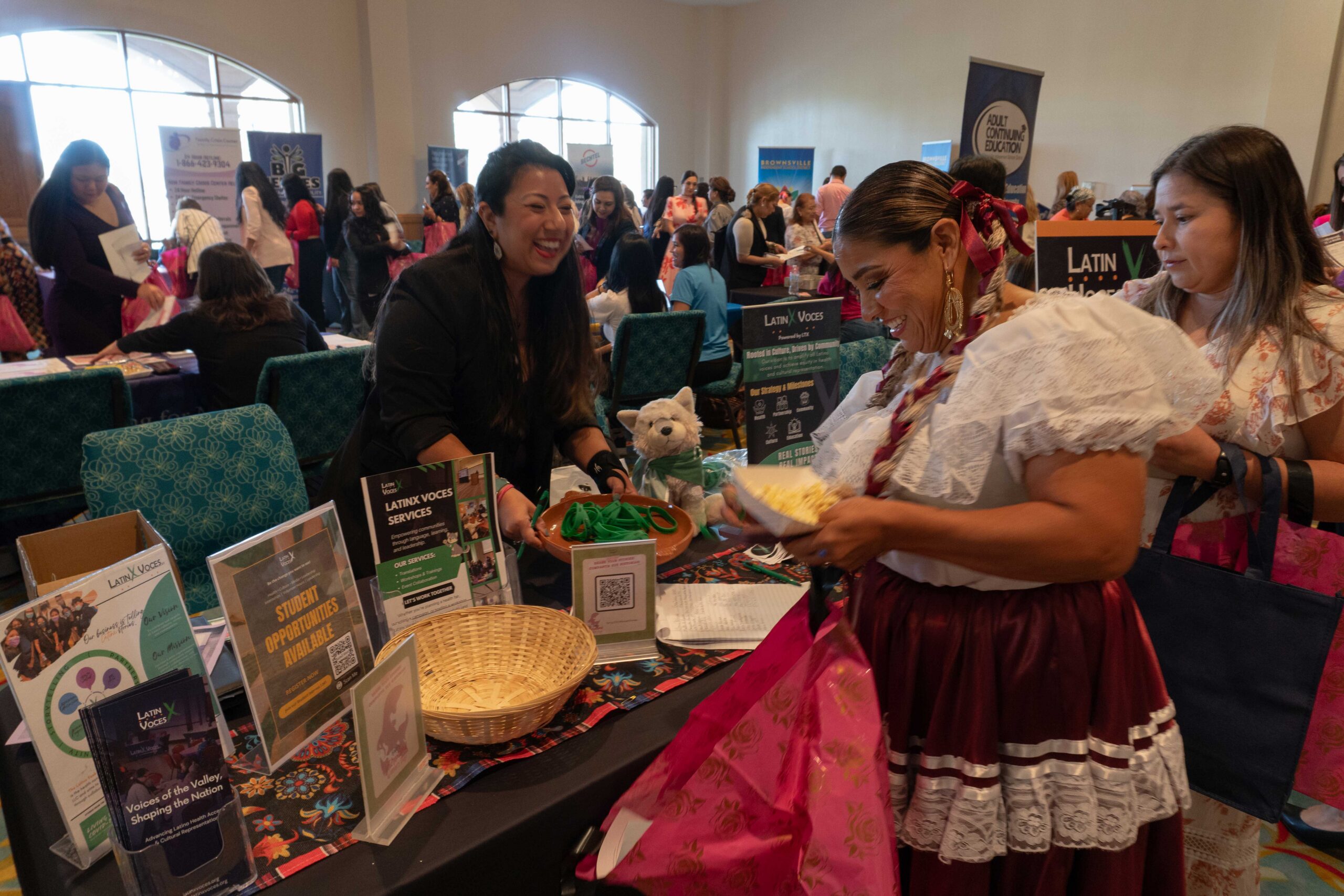
A back to school event,
A health fair,
A community workshop.
One of the most important reasons why these events are necessary, is to help fill an information and access gap in our community- for many of the kids and families in our community.
Many of us who work in the community are here because we care and because we aim to make those connections. We want to make sure families have access to the things they need.
Events like this might look like flyers, screenings, school supplies- and it is all that and much more.
It’s an opportunity to listen, to hear the questions they are asking, to understand what resources families are struggling to find, and to learn where the real gaps between resources and access still exist.
And those voices are part of what we’re bringing with us to the VOCES 2026 Health Summit.
Because the conversations happening in our communities should help shape the conversations health professionals, advocates, organizations and our leaders are having.
Those conversations stay with us and let us know what the needs of the community are.
Their stories help us understand what resources we need to develop and which partners to connect families with, the conversations that need to come to light, and that serve as the foundation at the VOCES 2026 Health Summit.
Health equity doesn’t start in a conference room, it starts with the voices of our community.