
As part of LUCHAR Health, Latinx Voces is expanding culturally grounded outreach, bilingual education, community listening, and partner collaboration across Cameron and Hidalgo Counties. This initiative focuses on helping rural residents better understand health issues, connect to trusted resources, and elevate local priorities that can inform stronger systems of care.
Health access should not depend on where someone lives.
In rural South Texas, families often face overlapping barriers to care, including transportation challenges, limited provider access, language barriers, cost concerns, difficulty navigating services, and gaps in trusted health information. For residents in colonias and border communities, these barriers can make it harder to prevent illness, manage chronic conditions, access mental health support, prepare for emergencies, or care for loved ones.
LUCHAR Health responds by bringing education, outreach, and partner connections directly into trusted community spaces – helping residents feel more informed, supported, and connected.
Barriers
- Transportation
- Language access
- Preventive care
- Mental health
- Chronic disease
- Emergency preparedness
- Resource navigation
Rooted in South Texas. Connected to a national conversation
Latinx Voces’ Rural Health Equity work is currently focused in Cameron and Hidalgo Counties, with special attention to rural, colonia, border, and underserved communities across South Texas.
Through LUCHAR Health, we are working alongside local partners and trusted community spaces to bring bilingual health education, outreach, listening, and resource connections closer to residents who may face barriers to care.
But rural health equity is not only a South Texas issue. Across the country, rural communities face overlapping challenges related to provider shortages, transportation, language access, broadband gaps, chronic disease, emergency preparedness, mental health support, and underrepresentation in data and decision-making.
By grounding this work in South Texas while sharing stories, findings, and strategies nationally, Latinx Voces helps elevate rural Latino and underserved communities in broader conversations about health equity, public health infrastructure, and systems change.
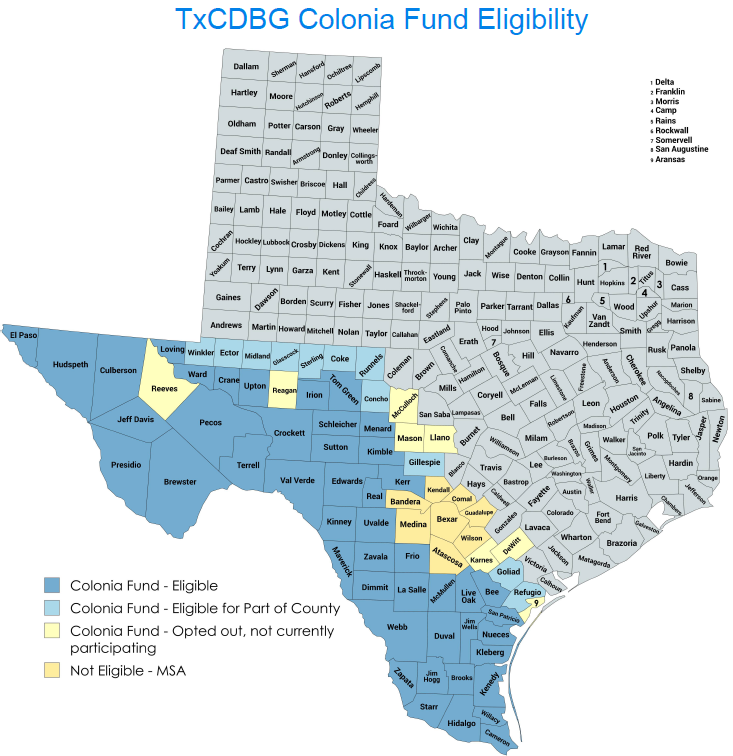
Source: Texas Department of Agriculture, TxCDBG Colonia Fund Eligibility map.Who We Serve
Rural residents and families
Especially those facing barriers to preventive care, health information, transportation, language access, or local services.
Colonia and border communities
Communities that are often underrepresented in data, planning, and resource allocation.
Caregivers and older adults
Families navigating chronic disease, aging, caregiving, and access to support.
Community health workers and trusted messengers
Promotores, outreach workers, and local leaders who help bridge families to care.
Local partners and service providers
Organizations working to improve outreach, referrals, health education, and community trust.
Our Rural Health Equity Approach
Bilingual Health Education
We provide culturally relevant education on priority health topics in English and Spanish, helping residents better understand prevention, care, and available resources.
Community Outreach & Pláticas
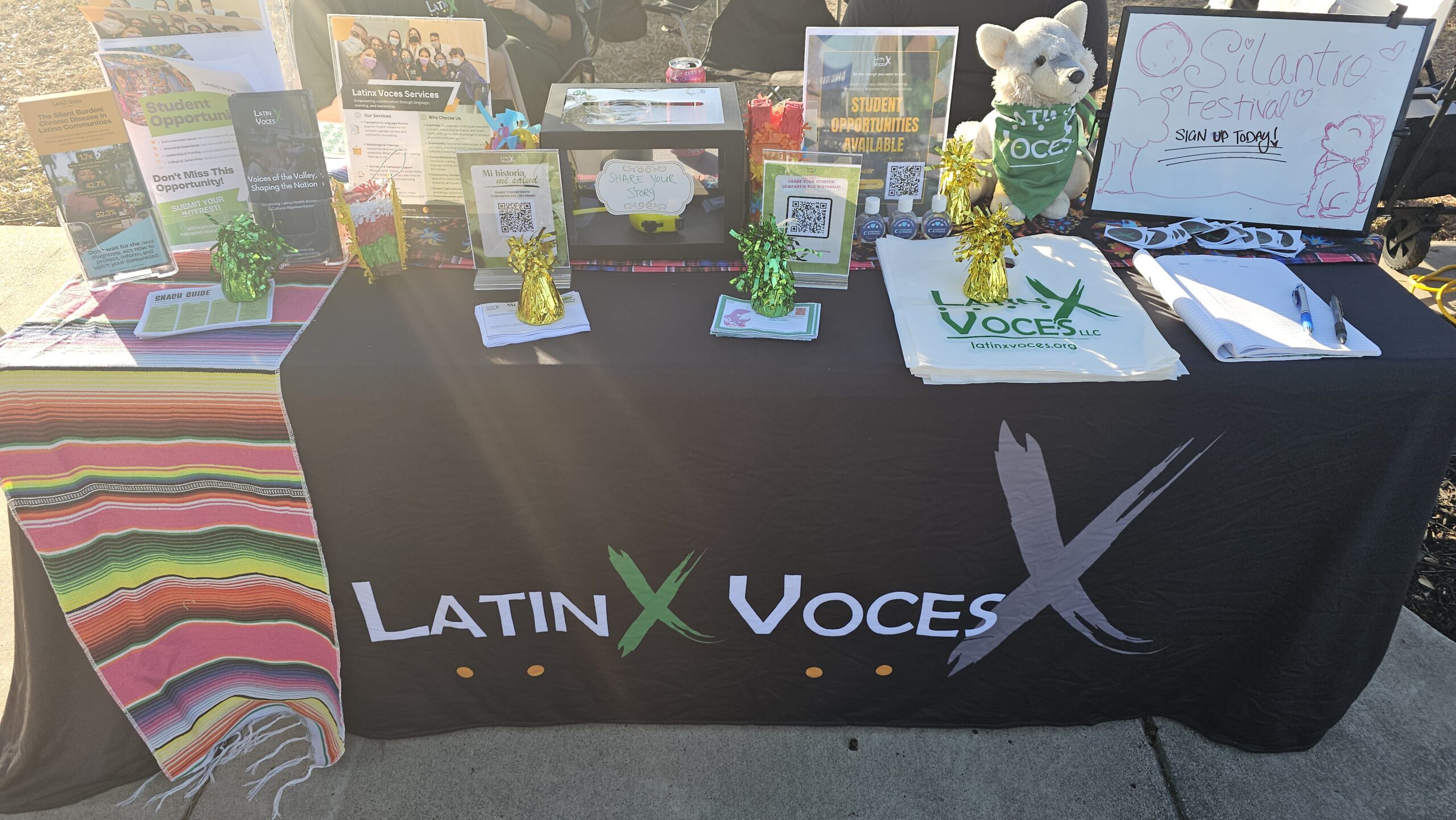
We meet residents in trusted spaces through health fairs, pop-ups, pláticas, cultural gatherings, and community events.
Resource Connections & Referrals
We help connect residents to trusted local organizations, health services, support programs, and partner resources.
Listening Sessions & Story Collection
We gather resident feedback, community stories, and local insights to better understand barriers, needs, and priorities.
Partner Coordination
We work with rural-serving organizations to strengthen outreach, referral pathways, and collaborative responses.
Data & Community Voice
We use local data, stories, and partner insight to inform reports, funding priorities, and systems-change opportunities.
Who We Serve
Chronic Disease Prevention
Mental Health Awareness
Emergency Preparedness
Caregiving and Healthy Aging
Preventive Care and Wellness
Resource Navigation
Language and Cultural Competency
Social Drivers of Health
Community health workers and trusted messengers
Promotores, outreach workers, and local leaders who help bridge families to care.
Local partners and service providers
Organizations working to improve outreach, referrals, health education, and community trust.
2026 Rural Health Equity Goals
Lorem ipsum dolor sit amet, consectetur adipiscing elit, sed do eiusmod tempor incididunt ut labore et dolore magna aliqua. Ut enim ad minim veniam, quis nostrud exercitation ullamco laboris nisi ut aliquip ex ea commodo consequat.
500
Rural residents reached
10+
Rural-serving partner organizations engaged
12+
Outreach events, pláticas, listening sessions, or community activities
2 Counties
Cameron and Hidalgo Counties
What Rural Health Equity Looks Like in Real Life
Rural health equity means a family knows where to go when they need help. It means a caregiver can find support before reaching a crisis point. It means a resident understands how to prevent or manage chronic disease. It means a community has trusted messengers who can explain resources in the language and context people understand.
It means local barriers are not ignored – they are documented, shared, and used to guide better programs, partnerships, and investments.
Through LUCHAR Health, Latinx Voces is helping turn community voice into action: more informed families, stronger referral pathways, deeper trust, and clearer insight into what rural communities need to thrive.
Listening, Learning, and Sharing Back
A key part of this initiative is listening to residents and partners. Through brief interviews, listening sessions, focus groups, surveys, and partner debriefs, Latinx Voces will document recurring health access barriers, community priorities, and opportunities for stronger coordination.
These insights will help shape future outreach, referral mapping, partner collaboration, and policy or systems-change opportunities.
Building a Rural Health Equity Network
Latinx Voces works with health departments, clinics, promotores, nonprofits, schools, community groups, faith-based organizations, universities, and local leaders to strengthen rural health outreach and support.
These insights will help shape future outreach, referral mapping, partner collaboration, and policy or systems-change opportunities.
Partner pathways:
- Co-host an outreach event or plática
- Share trusted bilingual resources
- Join referral and resource mapping efforts
- Support listening sessions or community feedback
- Sponsor health kits or outreach materials
- Collaborate on data, storytelling, or community reports
Elevating Rural South Texas on a Larger Stage
Findings and priorities from the Rural Health Equity Initiative will help inform Latinx Voces’ broader convenings, including the Latinx Health Summit. By connecting local outreach with regional and national conversations, Latinx Voces helps elevate the needs, strengths, and solutions emerging from rural South Texas.